When managing hazards on civil and construction sites, the hazard control hierarchy (also known as the hierarchy of controls) provides a systematic approach to reducing risk. It ranks control methods from most effective to least effective, prioritising solutions that eliminate hazards at the source before relying on procedures or personal protective equipment. On civil sites, safety isn’t a checklist. It’s engineered into the delivery. That’s why CTA Group applies the hazard control hierarchy as part of structured risk management on projects involving public access, high-traffic environments, live construction zones, and safety-critical infrastructure works. This framework is widely used across workplace safety systems because it prioritises controls that remove or reduce hazards, rather than relying solely on behavioural compliance.
The Five Levels of Hazard Control
1. Elimination
Physically remove the hazard from the workplace.
Example: Removing the need for public access through an active work zone by rerouting pedestrian movement.
2. Substitution
Replace a hazard with a safer alternative.
Example: Substituting a higher-risk installation method or material with a safer option to reduce exposure to fumes, noise, or manual handling risk.
3. Engineering Controls
Isolate people from the hazard using physical means.
Example: Installing barriers, fencing, hoarding, or physical separation systems to protect workers and the public in live environments.
4. Administrative Controls
Change how people work through procedures, training, and supervision.
Example: Scheduling works outside peak pedestrian hours, implementing site inductions, and applying clear wayfinding signage around exclusion zones.
5. Personal Protective Equipment (PPE)
Equip workers with protective gear to reduce exposure to hazards.
Example: Safety helmets, gloves, eye protection, hearing protection, and high-visibility clothing.
This order, from elimination through to PPE, reflects decreasing effectiveness. Controls at the top of the hierarchy reduce or remove the hazard itself, while controls at the bottom rely more heavily on human behaviour and consistent compliance.
Why Hazard Control Hierarchy Matters for Civil Construction
Civil and infrastructure projects often involve multiple overlapping hazards, from site access and excavation, to public-facing works and high-traffic environments.
CTA Group applies the hazard control hierarchy across project delivery to:
- Prioritise risk reduction at scale
- Embed long-term structural safety into the work plan
- Reduce dependency on behavioural controls alone
- Standardise safety outcomes across multiple sites
For example, installing a permanent physical barrier (engineering control) at a high-traffic pedestrian interface will nearly always be more effective than signage alone (administrative control), and significantly more effective than relying only on PPE.
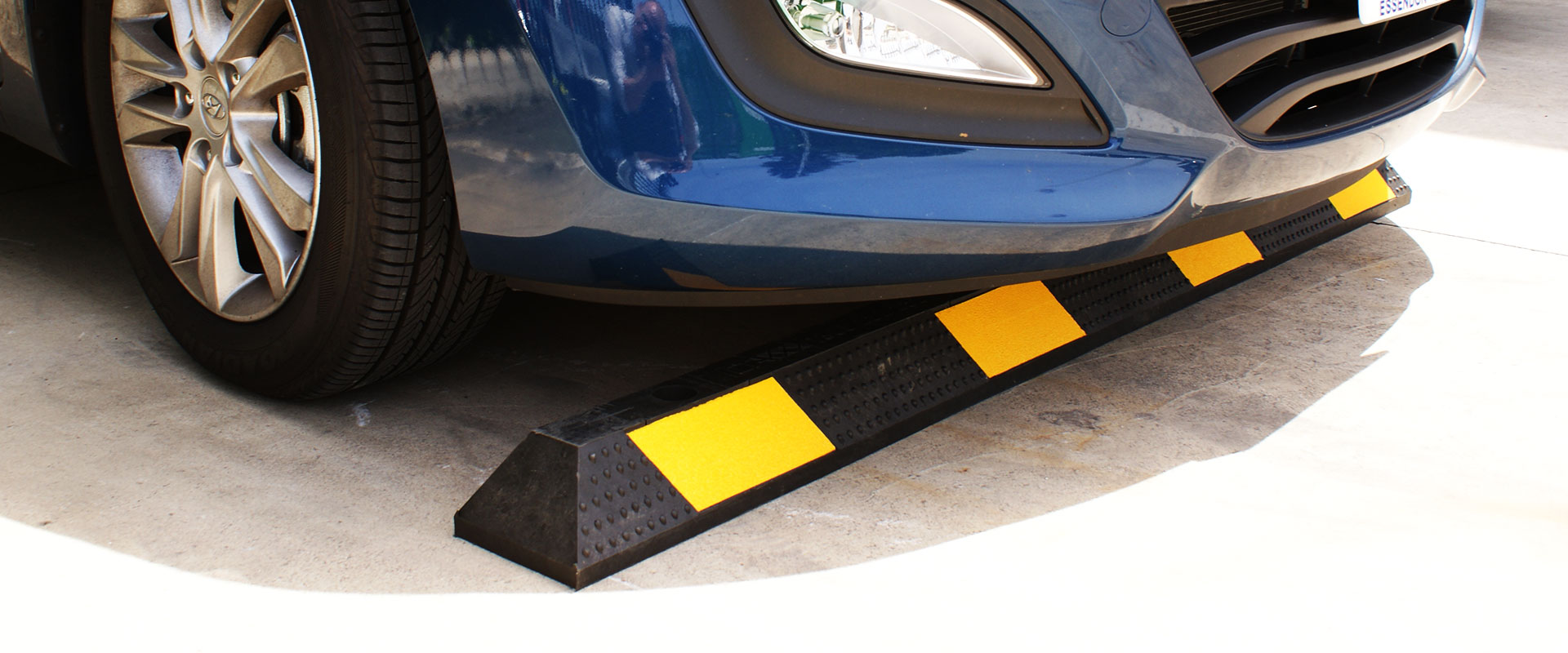
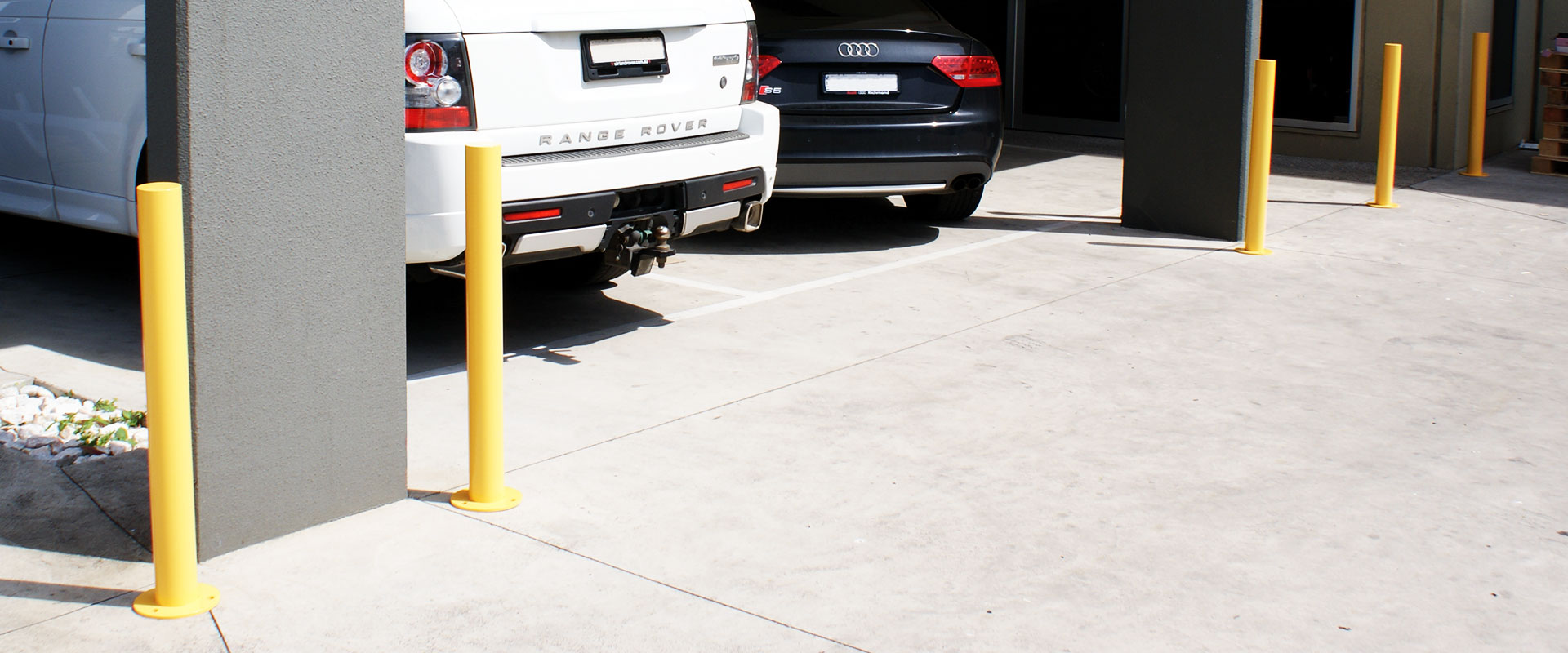
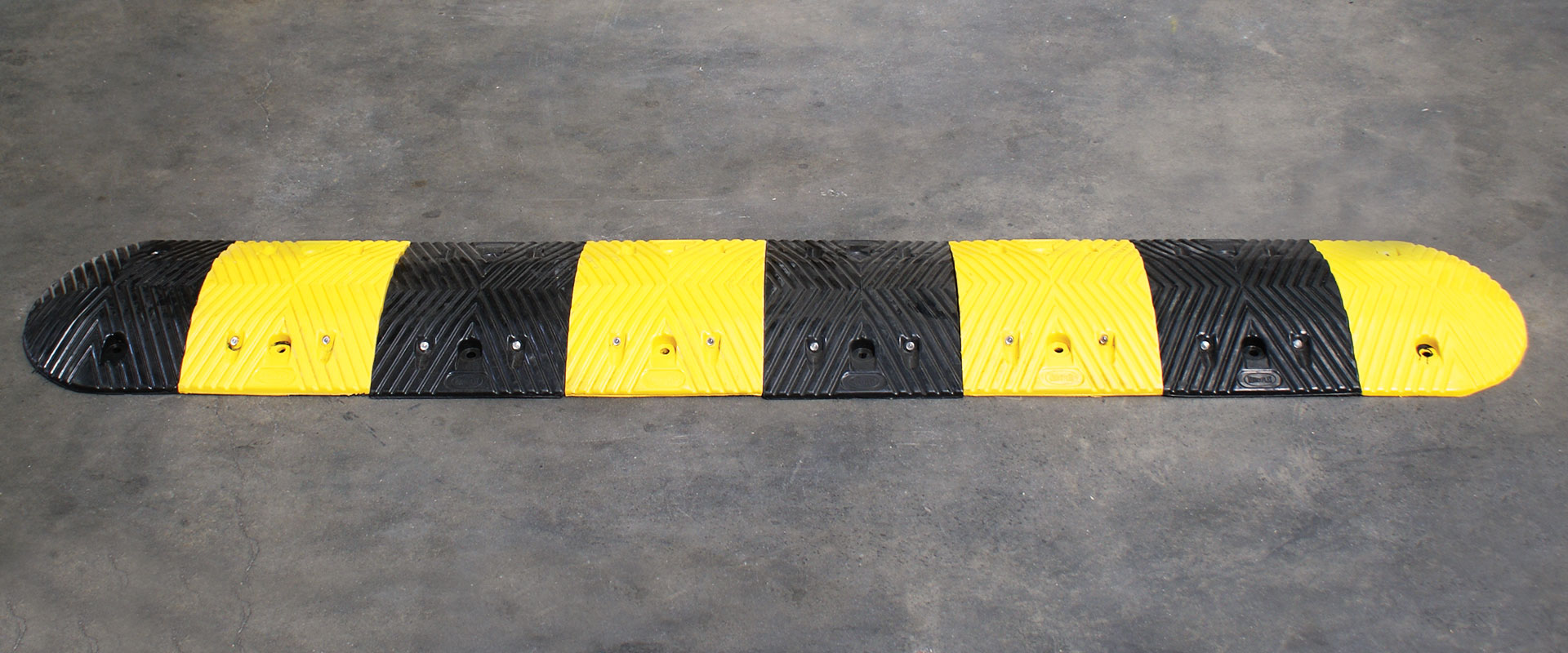
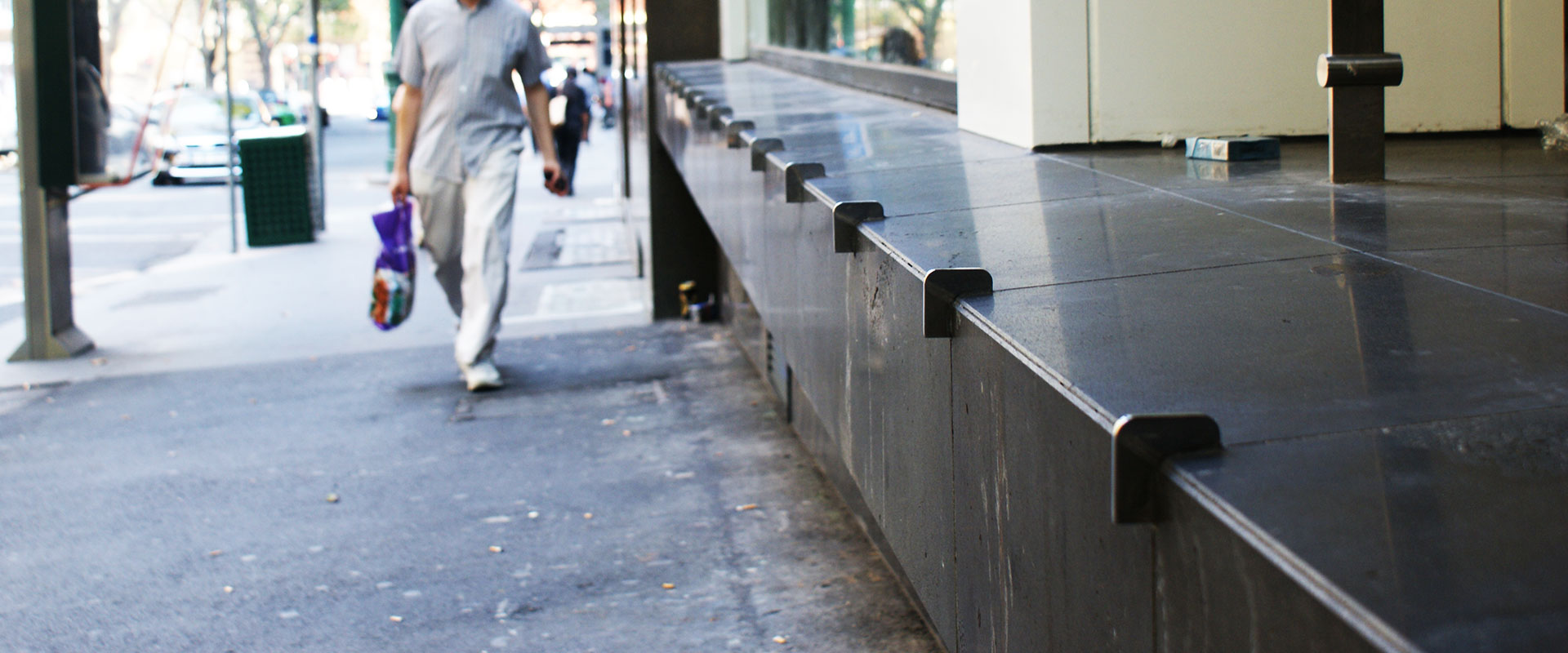
This approach supports safer delivery outcomes across CTA Group’s civil works, including tactile indicators, stair safety systems, fencing and enclosures, bollards, wheel stops, and other public-interface safety products.