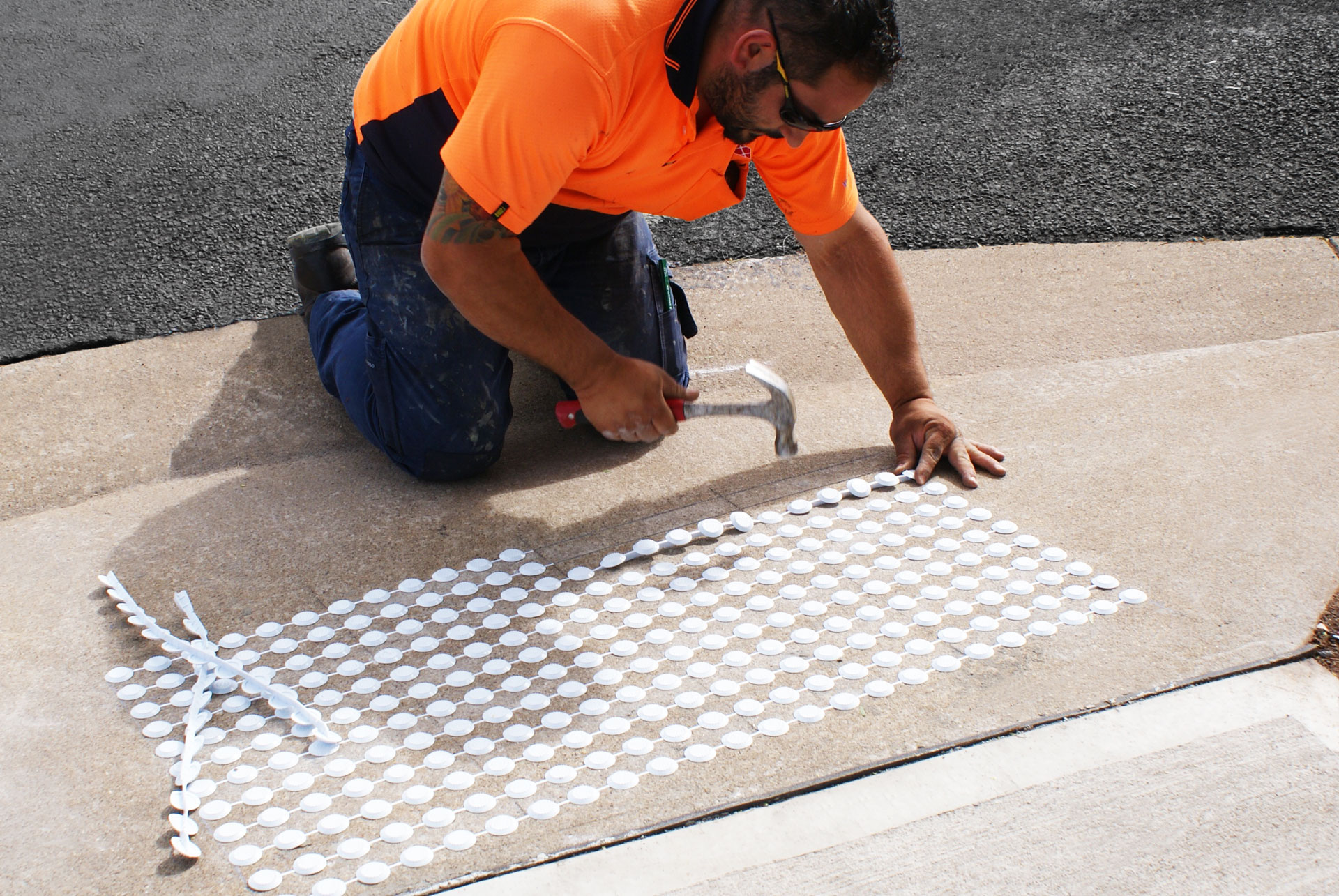
With over 20 years of experience delivering building compliance to AS1428, CTA Group Australia is Australia’s leading designer, manufacturer and installer of innovative and patented Tactile Indicator & Stair Nosing’s. Proudly, you will find our tactile systems across Australia, our Tactile products are engineered to exceed industry standards, ensuring both durability and precision across all tactile ground surface indicators.
Ivory Polyblade® Hazard
CTA Group pride ourselves on offering the highest level of service. Our sales team are extensively trained in the requirements of AS1428 to make sure we offer you the perfect solution for each project, whether it involves tgsi tactiles, floor tactiles, or aluminium step nosing.
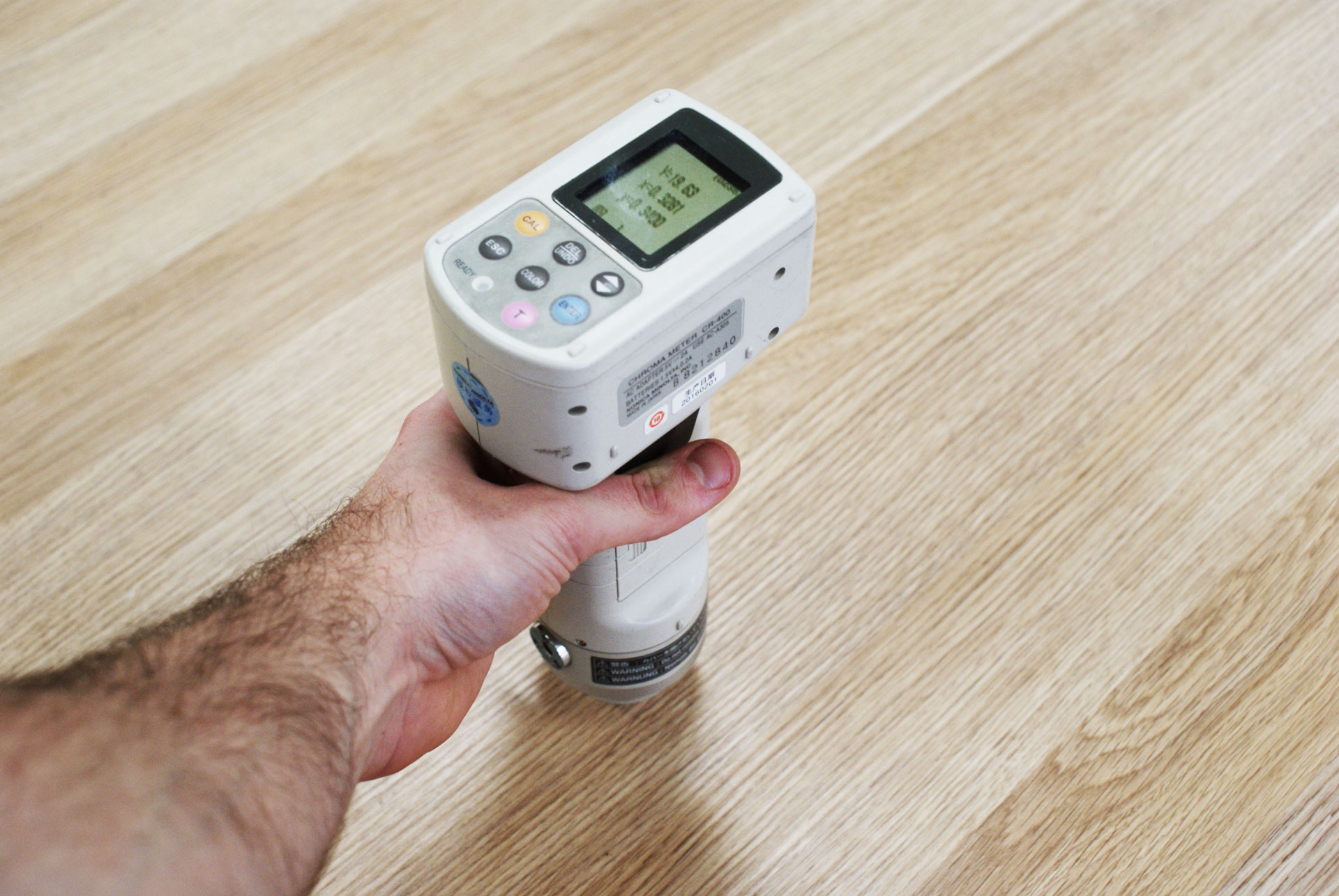
Where required, CTA Group are happy to perform site visits and Luminance Contrast Testing to make sure your tactile system selections conform with the relevant building codes. We regularly collaborate with guardian tactile systems and similar suppliers to maintain full compliance and compatibility.
We understand that you are bound by strict project deadlines and will work with you to meet your compliance requirements in accordance with your schedule. The CTA Group service does not end at tactile installations, which has helped develop the outstanding reputation that we are proud to have. Our full service includes expert advice and installation of tactiles and nosing strips, ensuring every tactile installation achieves tgsi standards.
CTA Groups products are conceived and developed in-house at our Melbourne head office. We offer a wide range of Tactile Indicator products including low-cost polymer tactile tiles, timeless stainless-steel studs, plates for speedy installations, and hundreds of variations of step nosing and stair nose trim.
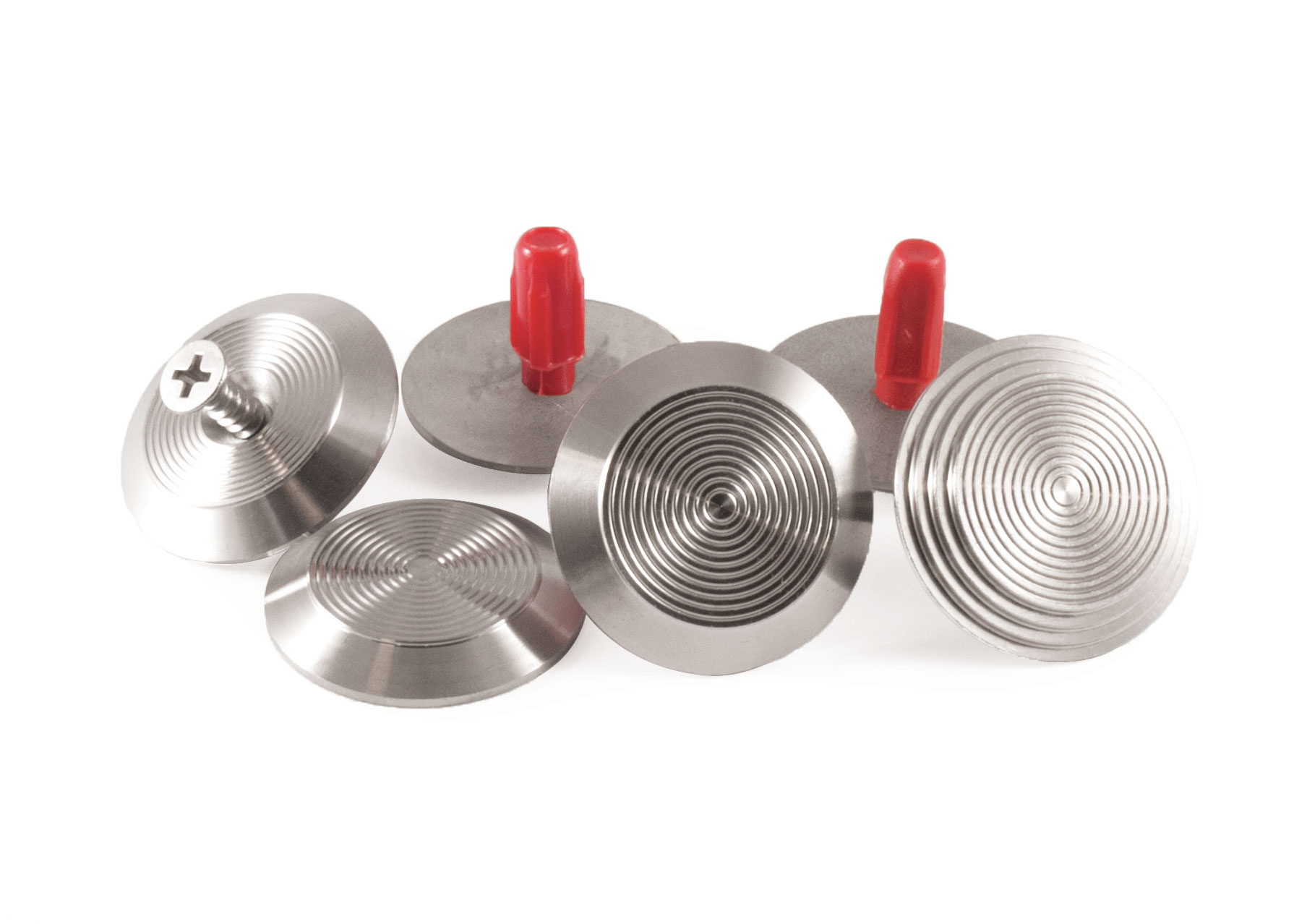
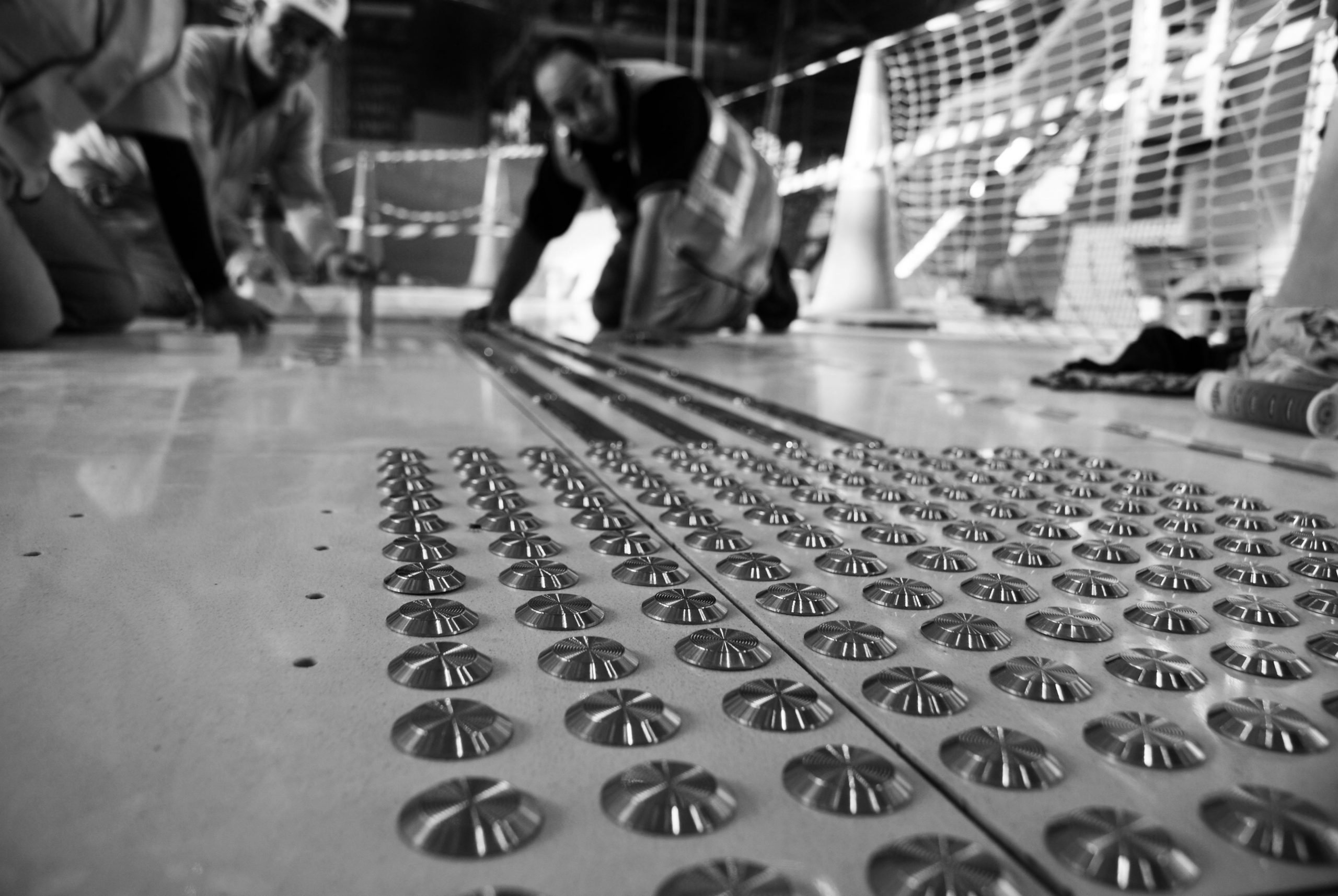
Our patented SureSteel® Drill & Lock studs revolutionsed TGSI installations by allowing immediate access and guaranteeing superior durability. This innovation ensures rapid project turnaround without compromising safety or compliance.
When it comes to compliance with AS1428, CTA Group has the solution to meet your requirements. This is why architects and builders across Australia specify our tactile systems technology and tactile indicators to meet compliance in Australian building standards, time and time again.
SureSteel® Drill & Lock Stainless Steel Range
When specifying tactile indicators, stair nosing, and hazard delineation systems, stair geometry must be considered as part of broader NCC and Australian Standards compliance.
While requirements vary depending on building class, use type, and whether the stair forms part of an accessible path of travel, Australian stair design is guided by consistent principles relating to riser height, tread depth, handrail placement, and safe visual contrast.
CTA Group supports builders, architects and project teams by supplying and installing compliant tactile and stair safety systems across commercial, civil and infrastructure environments.
Stair Riser Height (Australia)
In Australian construction, stair riser height commonly falls within a general range of 115mm to 190mm, depending on the application and relevant compliance requirements. Consistency across all risers is critical, as irregular riser heights are a known contributor to slips and trips.
Stair Tread Depth (Going)
Tread depth (going) must remain consistent across the full stair flight. The relationship between riser height and going is commonly assessed using the stair slope formula:
2R + G
This relationship is used to support a safe and comfortable stair gradient, particularly in public and high-traffic environments.
Handrail Height Requirements
Handrails must be positioned to provide safe guidance and support, particularly where stairs form part of an accessible route. Handrail height is commonly designed within a range of 900mm to 1100mm, measured from the nosing line.
Why Stair Nosing and Tactile Selection Matters
Stair nosings and tactiles are not decorative inclusions. They are functional safety products designed to improve hazard awareness, contrast visibility, and slip resistance performance where required.
CTA Group supplies and installs tactile indicators, stair nosing, aisle markers and hazard delineation systems across rail, education, retail, healthcare, commercial towers and public infrastructure projects, ensuring product selection aligns with project requirements and real-world site conditions.
For project-specific guidance, CTA Group works with delivery teams to support accurate specification, compliant installation, and consistent safety outcomes in high-traffic environments.
CTA have helped countless builders sign off major works across multiple industries and locations
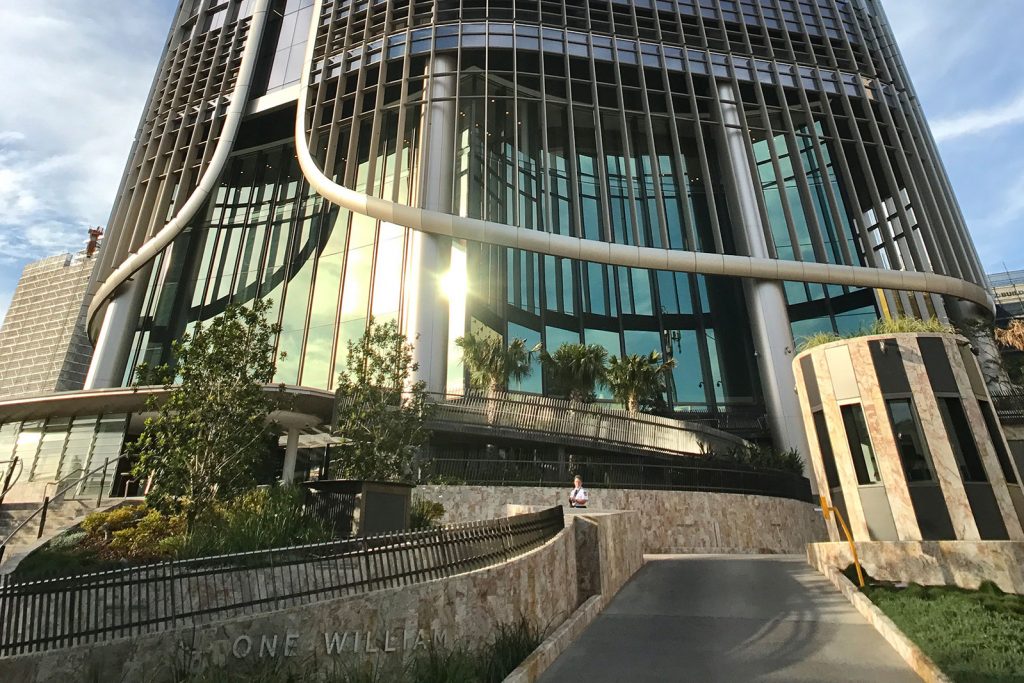
CTA have well and truly established their position as the market leader in AS1428 compliance with tens of thousands of successful DDA installations across a wide array of civil sites.
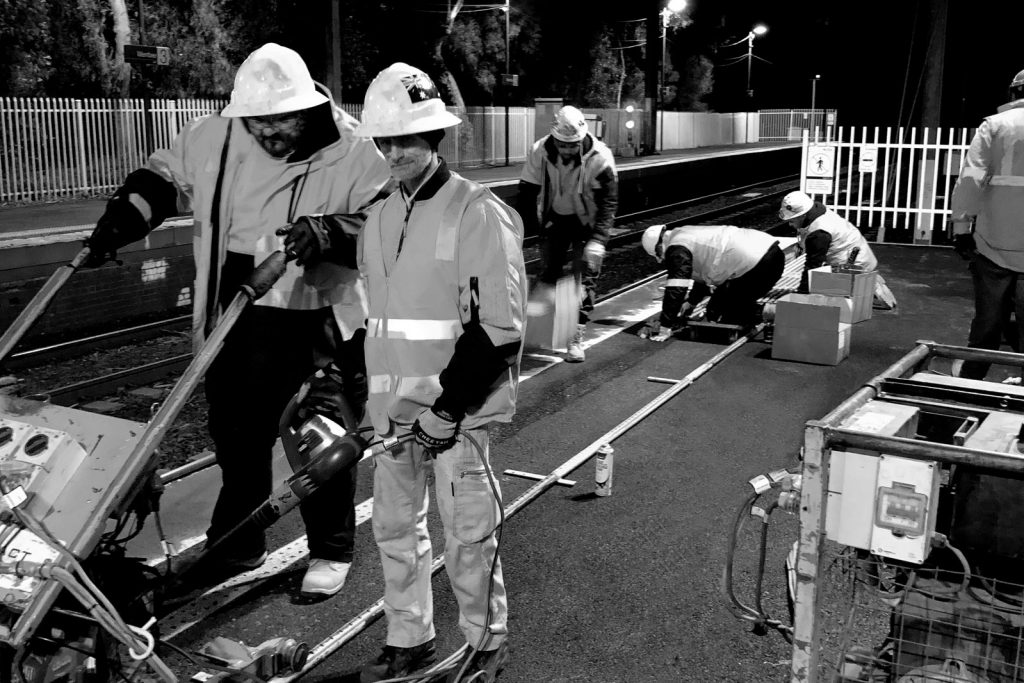
With a number of industry innovations and achievements, CTA are known as an industry leader when it comes to AS1428 compliance in the rail sector.
Read more about our rail capabilities here.
We have the capacity to supply & install Tactile Indicators Australia-wide for any project. Our tactile system range suits any environment, from floor tactiles in commercial buildings to stair tactiles in transport hubs. We can also custom produce TGSI’s to suit unique architectural specifications.
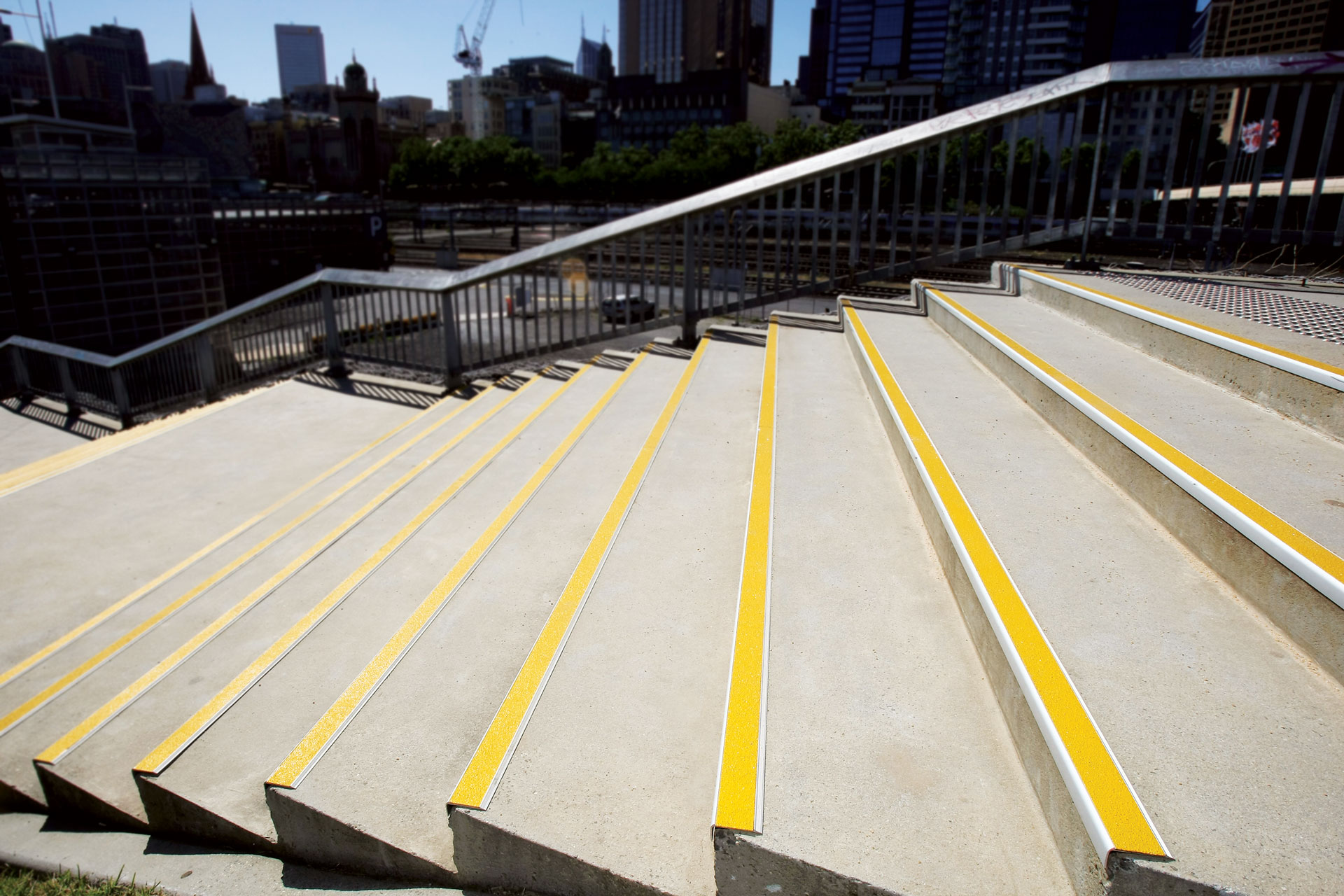
Stair nosing’s go hand-in-hand with Tactile Indicators to meet AS1428 compliance specifications. We install Stair nosing across Australia, meeting the demands of precision and project compliance, additionally CTA Group stock hundreds of stair nosing variants to give you the options you need, including step nosing strips, step nosing tiles, and stair nose designs.
Whether you need aluminium step nosing or stair nose trim our team will help you in guaranteeing total AS1428 compliance.
CTA Group can assist in certifying the luminance contrast of your installation for both tactile placement and nosing in stairs by measuring your substrate using sophisticated light-detecting equipment.
Our luminance contrast service ensures every stair nosing and tactile indicator meets Australian standards for accessibility and safety.
Day in, day out, we work with AS1428 compliance. If you are unsure about what you need to do to acquire sign-off regarding TGSI’s and stair nosing reach out to us, and we’ll offer expert advice over the phone.
Our consultants understand the fine details of tactile systems, tactile ground surface indicators, and aluminium step nosing products, guiding you to full compliance.
Learn more about CTA’s dedicated rail business division by clicking below.
CTA’s origin story begins with tactile indicators and compliance to AS1428. Over the years we’ve ensured countless projects have been signed off according to standard.
We’ve invested heavily into training and processes aimed at enabling our Australia-wide installation team to deliver impeccable installation standards in a timely manner.
Our sales team are always happy to assist you in meeting AS compliance requirements visiting you on site to make sure each project is finished to sign off without blowing out costs.
Q: What are the key features of aluminium step nosing products?
A: Aluminium step nosing products, such as our step nosing strips are highly valued for durability and anti-slip performance. This style of nosing in stairs ensures visual contrast and provides a cost-effective, high-performance solution.
Q: How does stair nosing relate to AS1428 compliance?
A: The nosing of the stair must achieve a minimum luminance contrast with the adjacent floor finish. This is essential for safety, along with the correct installation of tactile ground surface indicators. We certify both stair trim and tactiles to tgsi standards.
Q: Do you offer advice on types of nosing and nosing for stairs?
A: Yes. We offer expert consultation on all types of nosing, including aluminium step nosing and step nosing tiles. Our team helps you select the correct nosing for stairs that complements aesthetics while guaranteeing full compliance.
Q: Why is the stair nosing strips material quality essential for public access?
A: Stair nosing strips must withstand high pedestrian traffic without compromising anti-slip or visibility. Choosing high-quality stair nosing to meet Australian building standards with CTA Group ensures material longevity, minimises maintenance, and reduces long-term liability risks.
Q: What is the benefit of integrating step nosing tiles with existing floor finishes?
A: Step nosing tiles integrate seamlessly with various floor finishes, ensuring that the step nosing complements the overall design. They provide necessary contrast and safety features without disrupting the aesthetic of the access path.
Q: Can CTA assist with certifying Luminance Contrast Testing for both tactile tiles and nosing?
A: Yes. Luminance Contrast Testing is vital for meeting Australian building codes. We can certify luminance contrast by measuring your substrate using sophisticated equipment. This ensures both your nosing strips and your chosen floor tactiles conform to Australian building standards
Q: What is the maximum stair riser height in Australia?
Maximum riser heights vary depending on the relevant NCC provisions and building type, however stair risers are commonly designed within a general range up to approximately 190mm, with consistent riser heights required throughout the stair flight.
Q: What is the standard stair riser height in Australia?
There is no single “standard” riser height used for every building, but stair risers commonly fall within the range of 115mm to 190mm, with many commercial environments designed toward safer, more moderate step heights.
Q: Do stair nosings affect compliance measurements?
Yes. Stair nosing selection can influence the effective step profile and should be considered early in the design and specification process to avoid compliance issues later in the project.
We will ensure your project is completed to specification, to standard and to sign off
Copyright © 2023 CTA Group